Treatments — Breast

Capsular Contracture

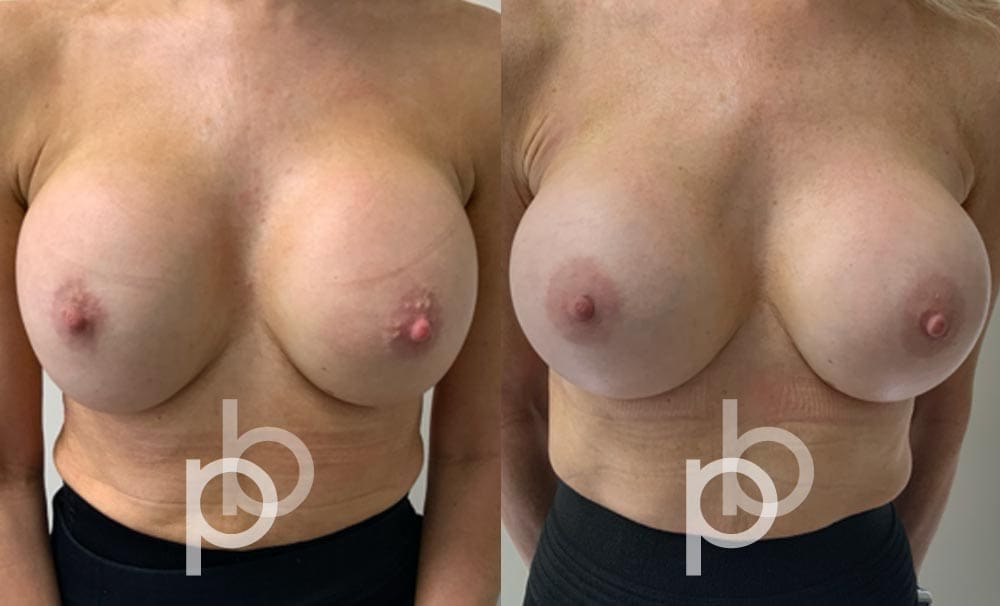
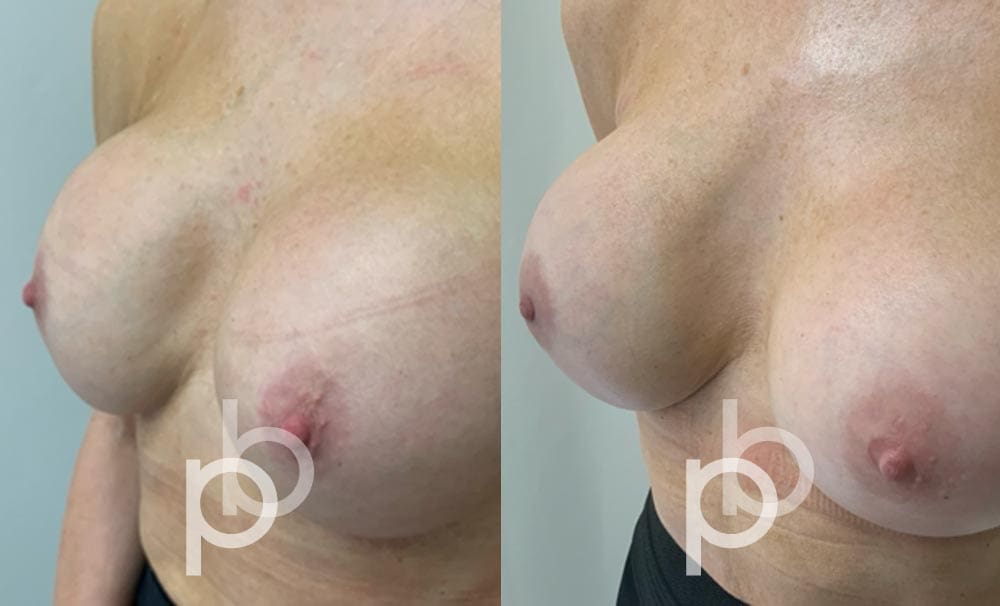
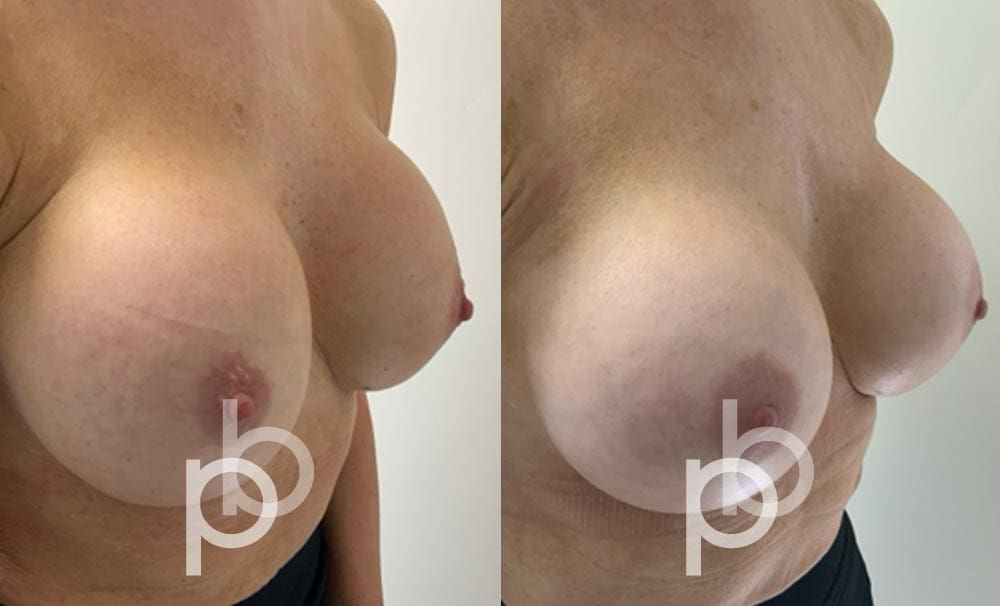
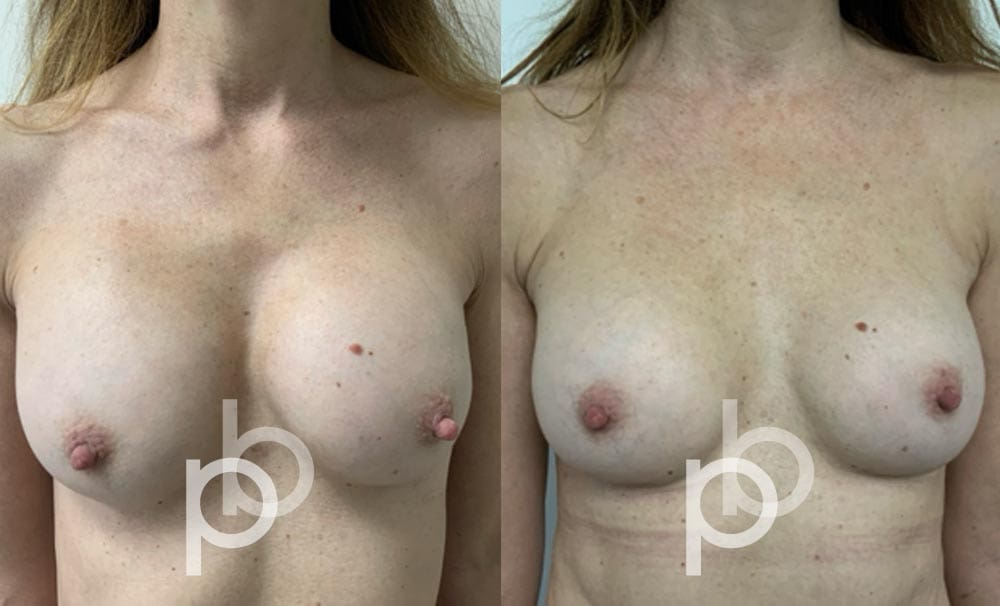
Capsular Contracture by Mr. Banwell

Breast augmentation is one of the commonest cosmetic surgery procedures performed worldwide and is associated with significant patient satisfaction and low complications rates. However, the main long term complication of breast augmentation surgery is capsular contracture.


LOREM IPSUM DOLOR SIT AMET, CONSECTETUR ADIPISCING ELIT

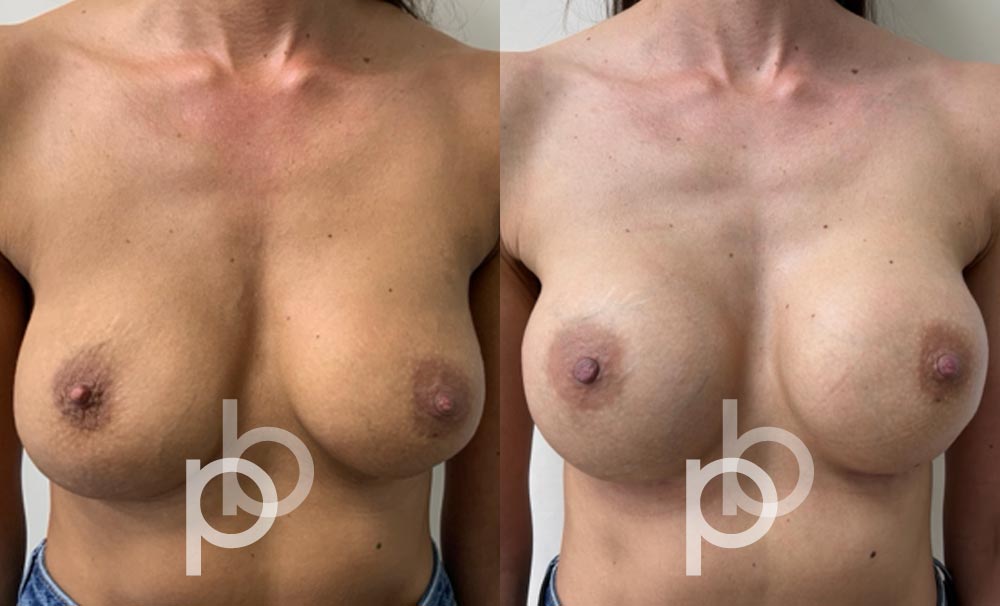
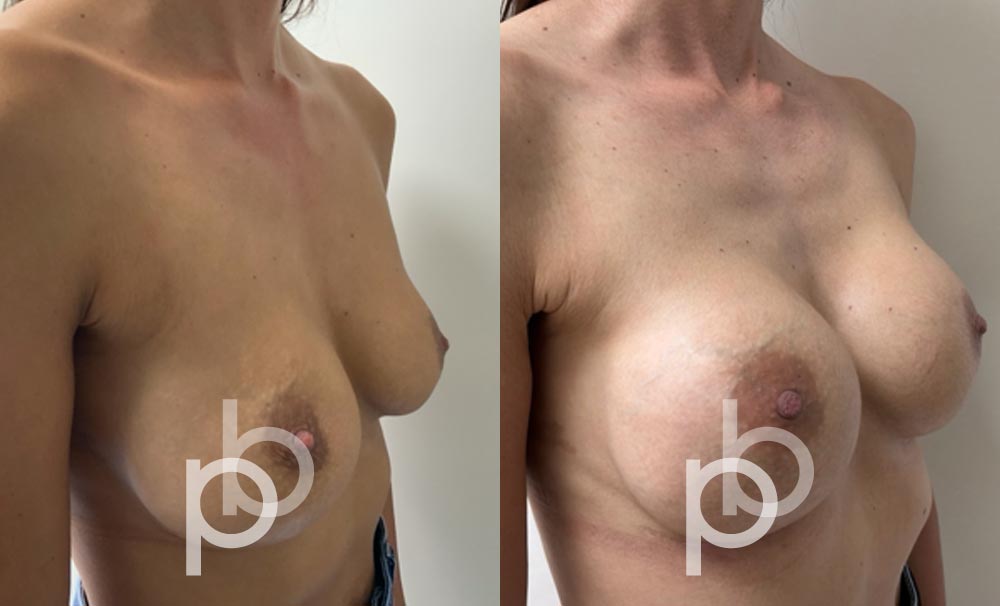
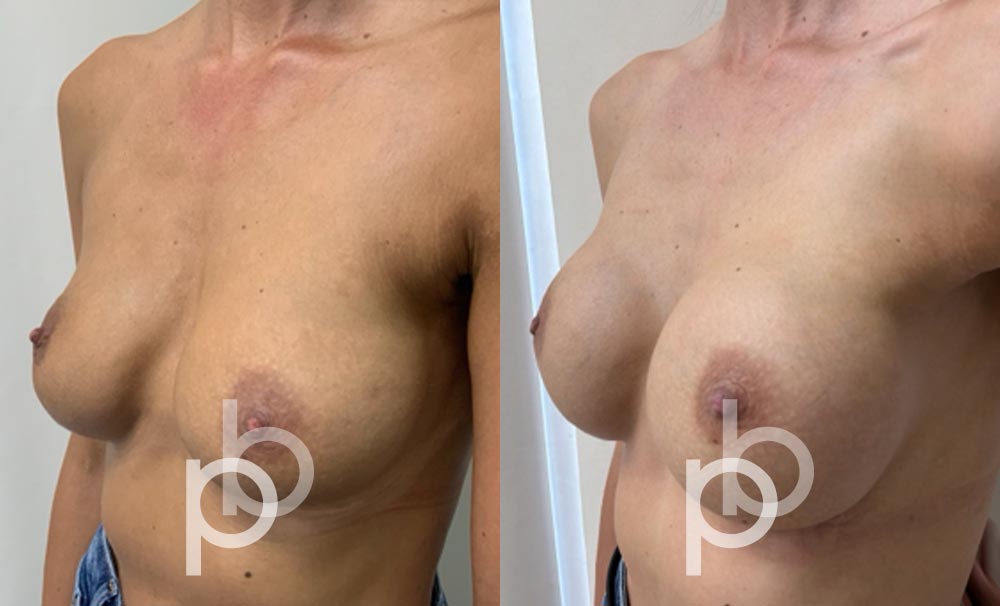
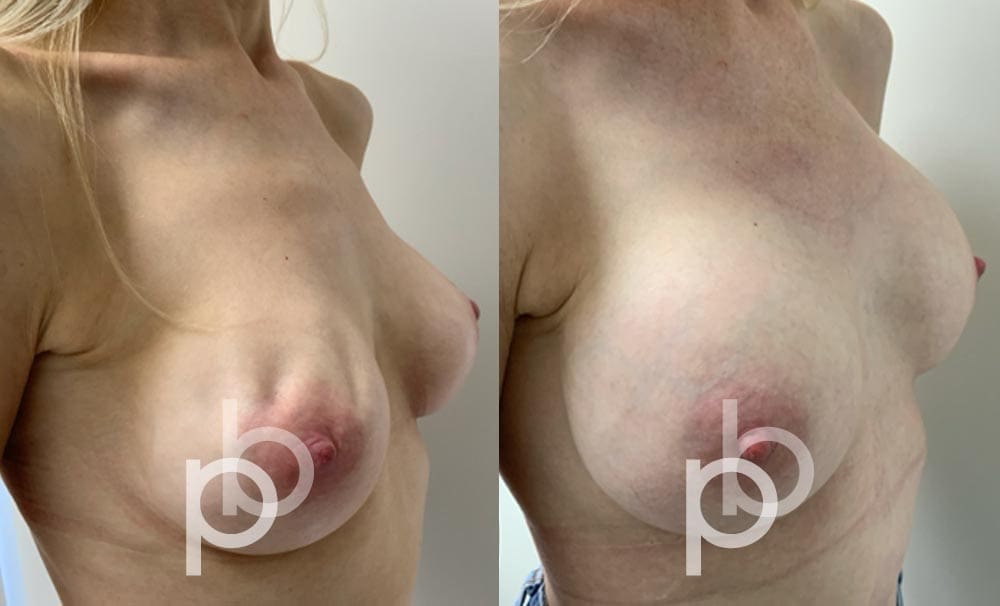
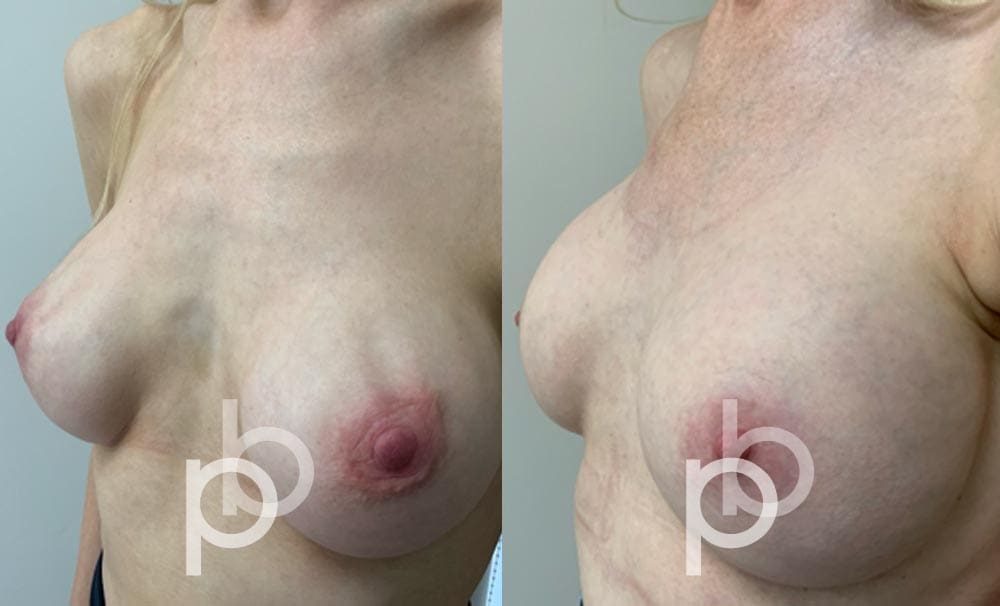
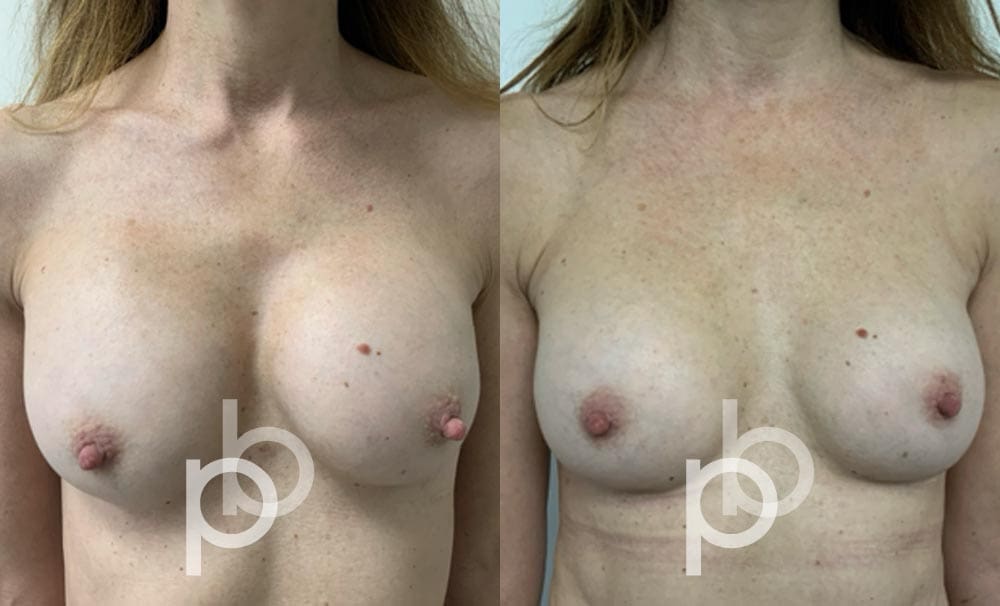
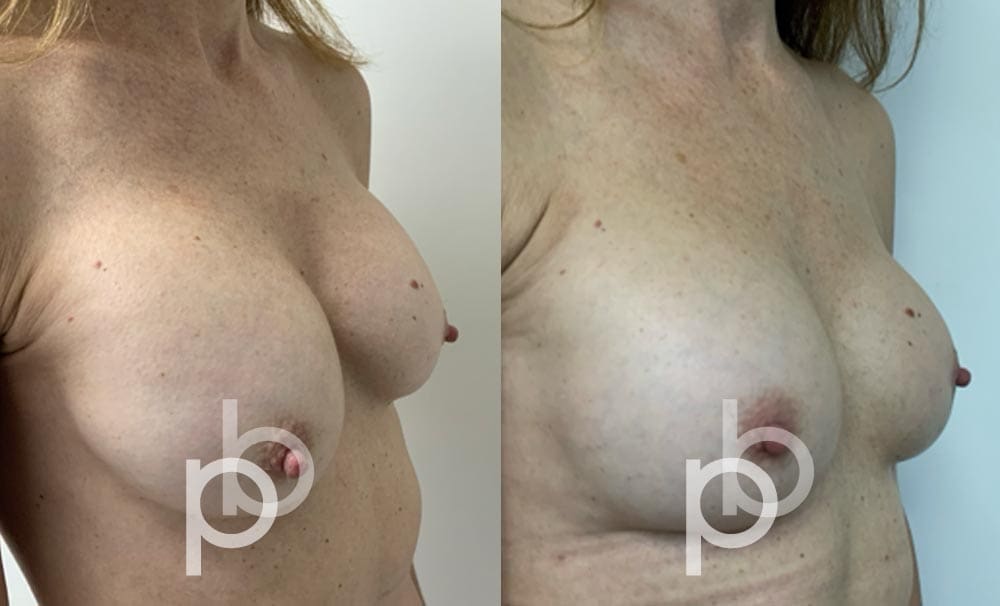
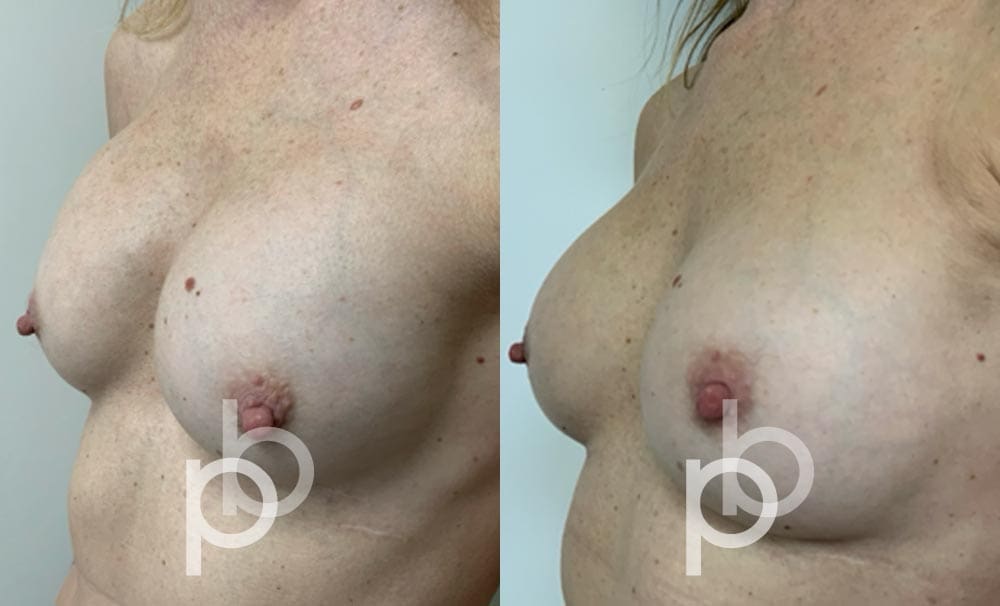
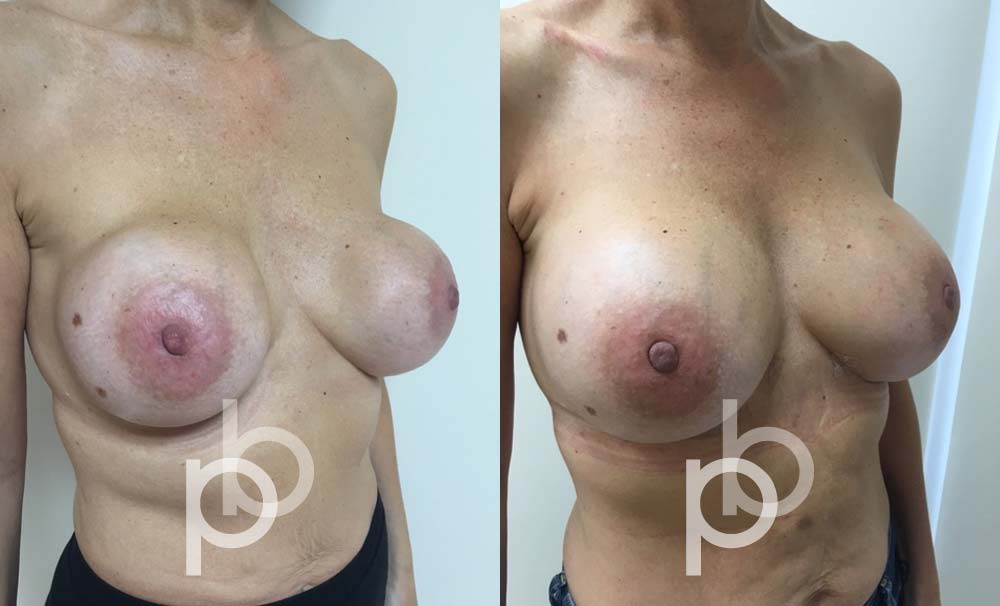
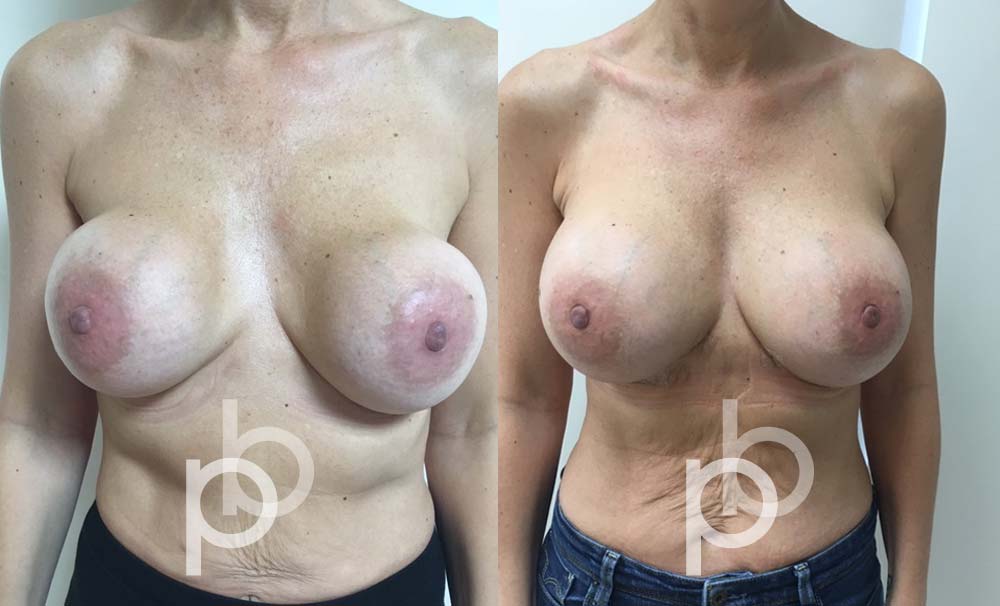
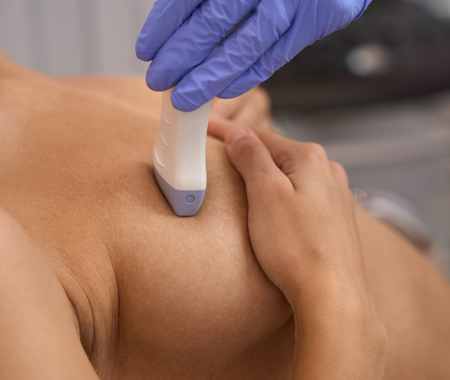
Capsular contracture is the term used to describe abnormal thickening of the normally- occurring scar tissue (capsule) that the body forms around all silicone breast implants, during a reconstruction or augmentation.

As you will be aware, in most patients the capsule is nice and soft and the patient will not have any problems. However, in a number of patients (10-15%), the capsule becomes thickened and may cause hardening of the breast, pain, distortion or a combination of the above.

Book this procedure

“Capsular contracture still remains the commonest long term complication of older style implants”

At a Glance

SURGERY TIME

2 hours

HOSPITAL STAY

1 - 2 Nights

ANAESTHETIC ASSESSMENT

No

PRE ADMISSION TESTS

Possibly

SLEEPING POSITION

Sleeping on back recommended for 4 weeks.

REASONABLY MOBILE

1 day

WASHING

Shower after 1 day. Bath after 2 weeks.

DRIVING

3 weeks

EXERCISE INCLUDING GYM

8 weeks

SEXUAL ACTIVITY

Restricted activity after 4 weeks

FULL RECOVERY

8 weeks

TIME OFF WORK

2 weeks

BRAS & GARMENTS

Sports bra worn for 8 weeks. Wired bra after 2 months.

Paul Banwell - At a Glance
Paul Banwell - Price From

Capsular Contracture Price

Please contact Mr Banwell’s office on 01342 330302 or email help@paulebanwell.com for further information.

Book this procedure

From £6800

Paul Banwell

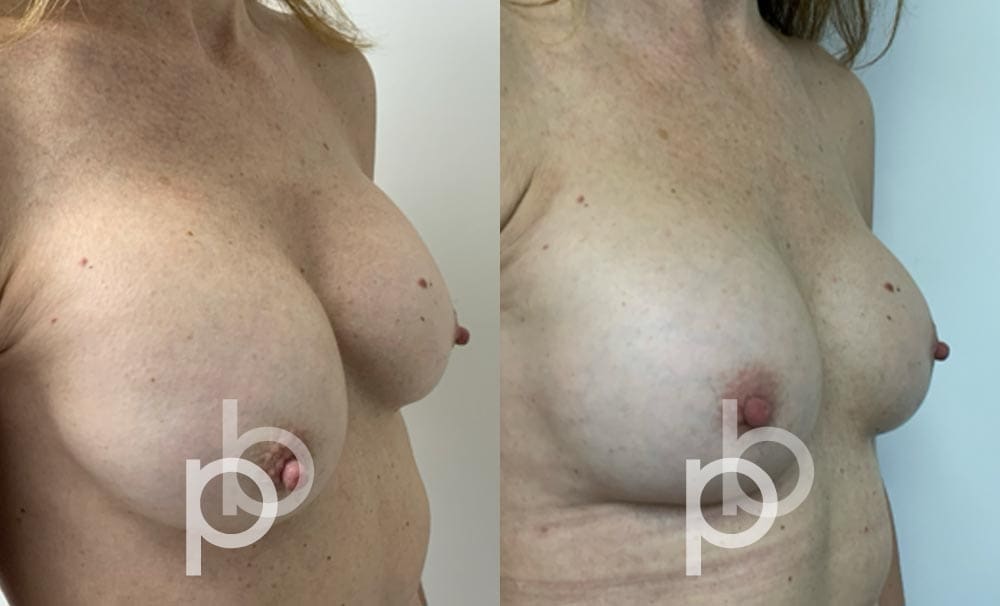
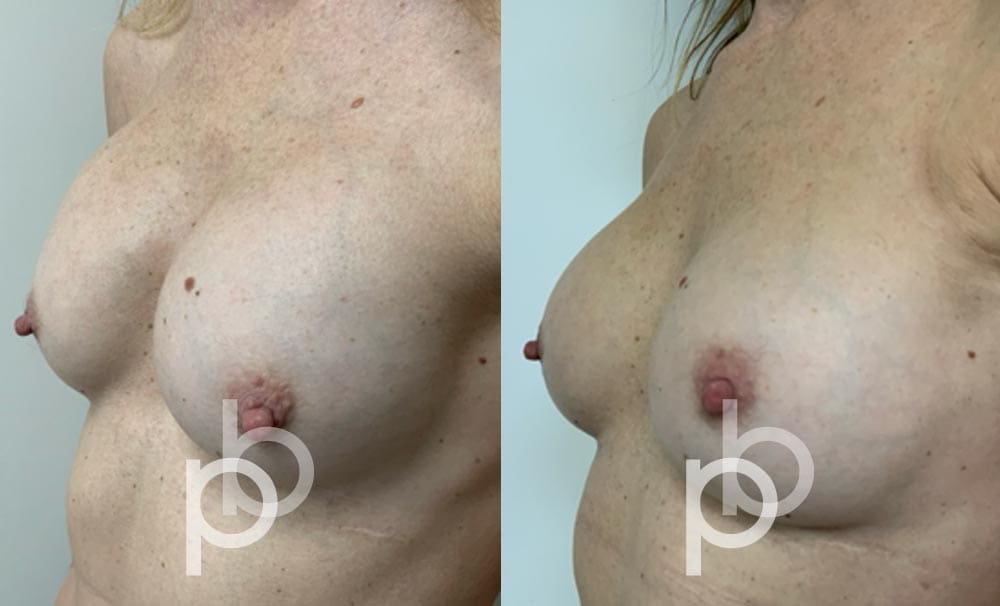
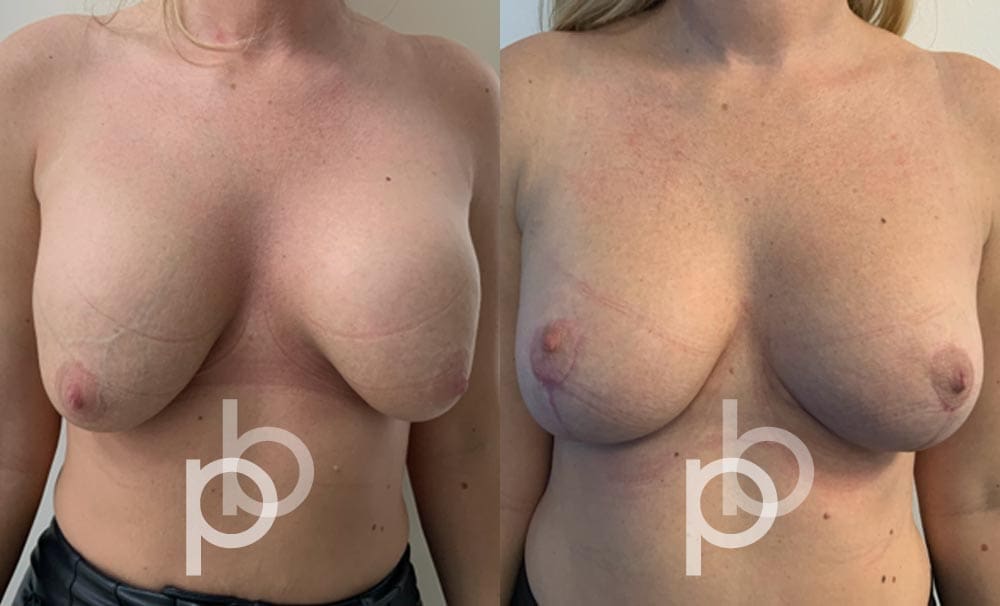
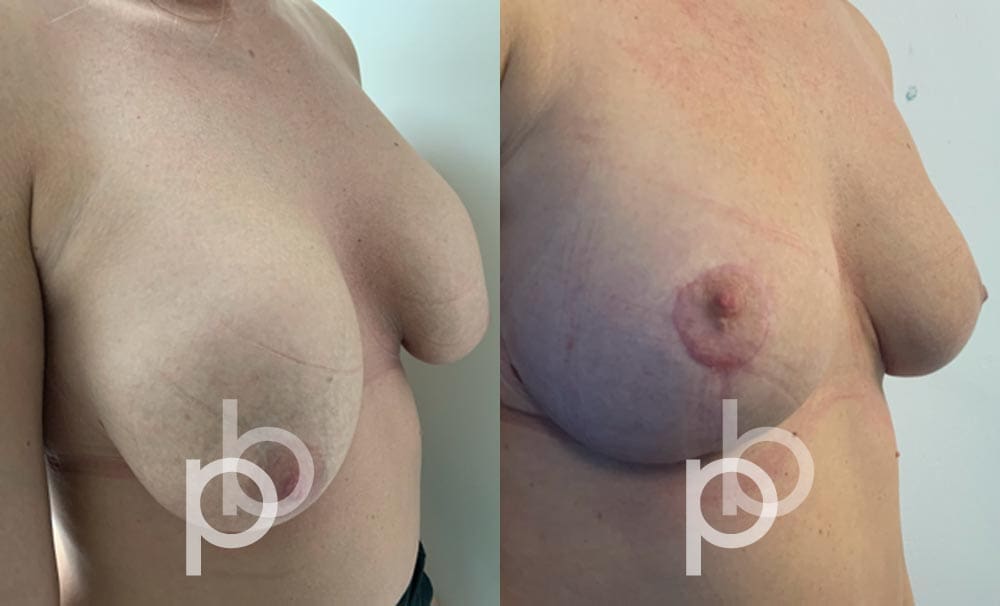
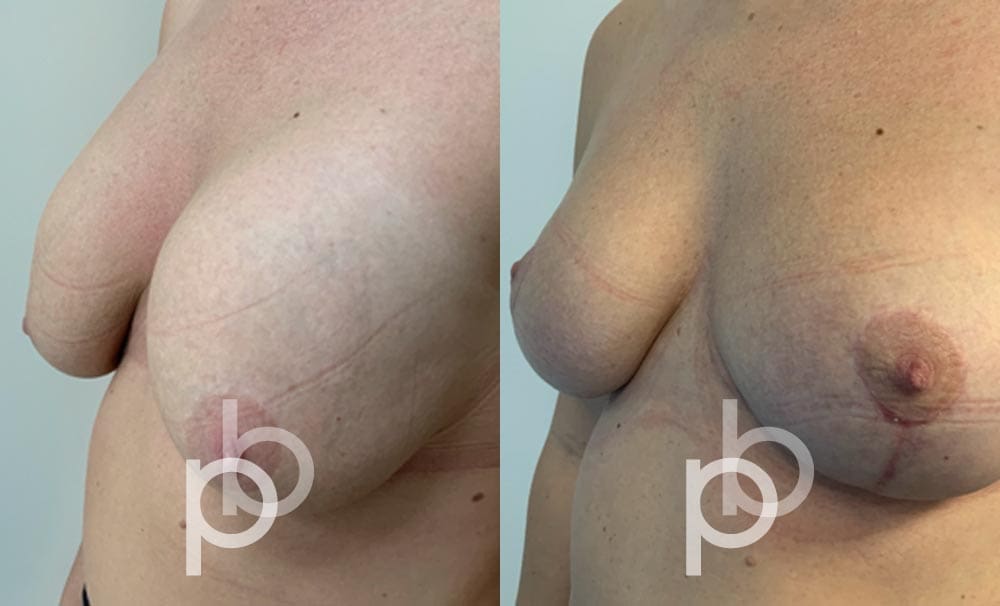
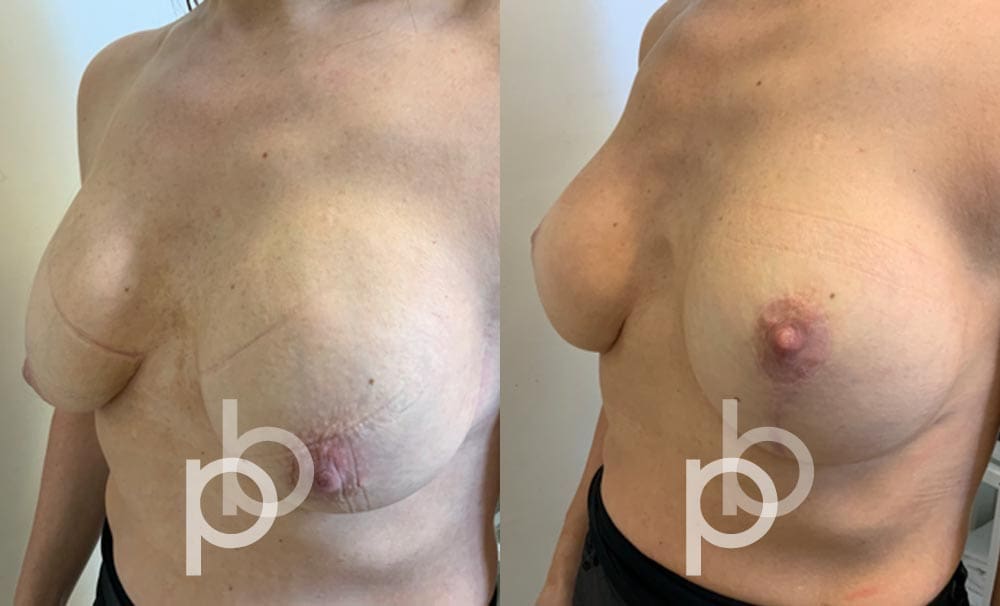
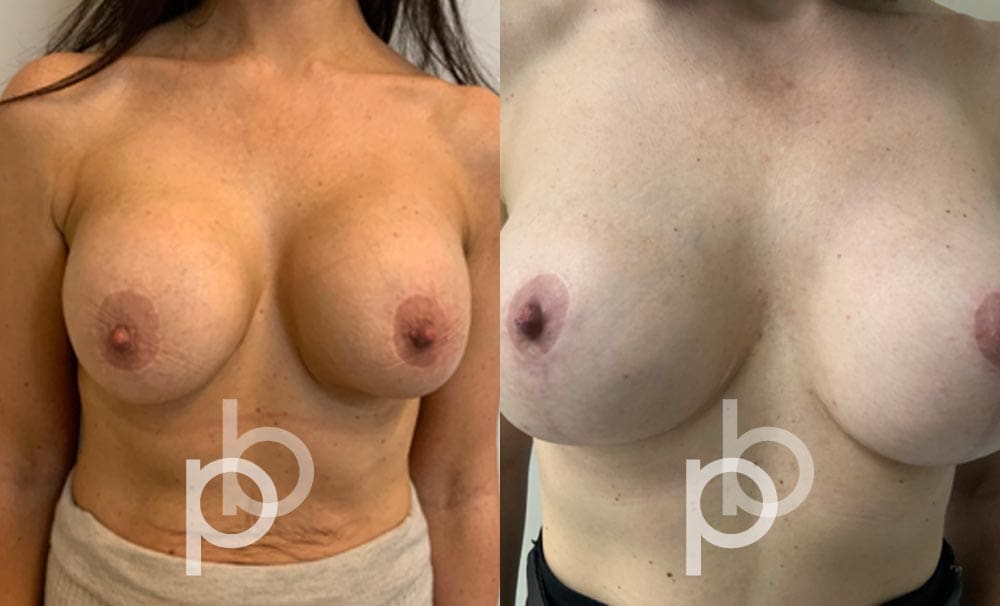
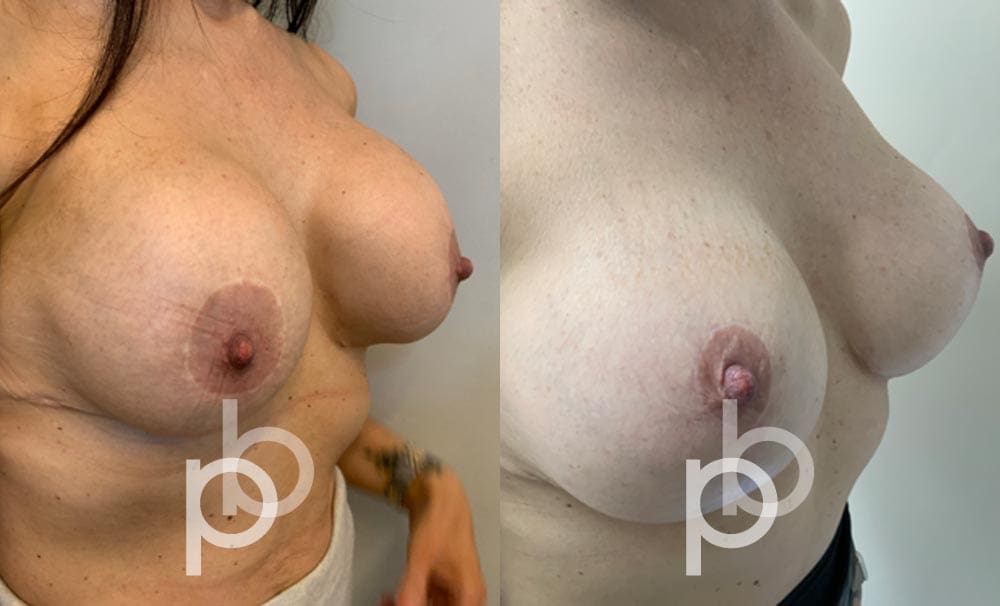
Before & After

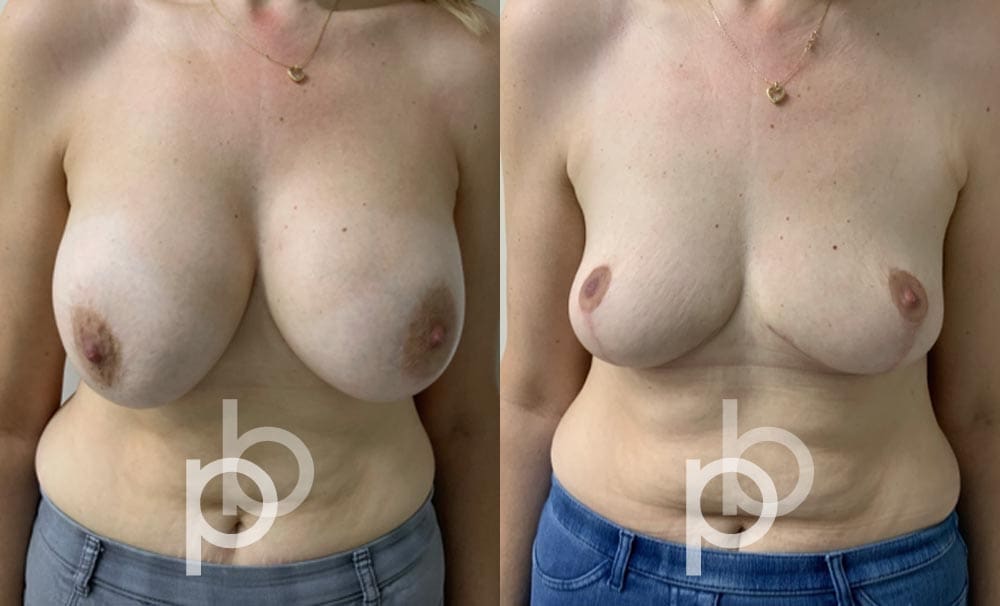
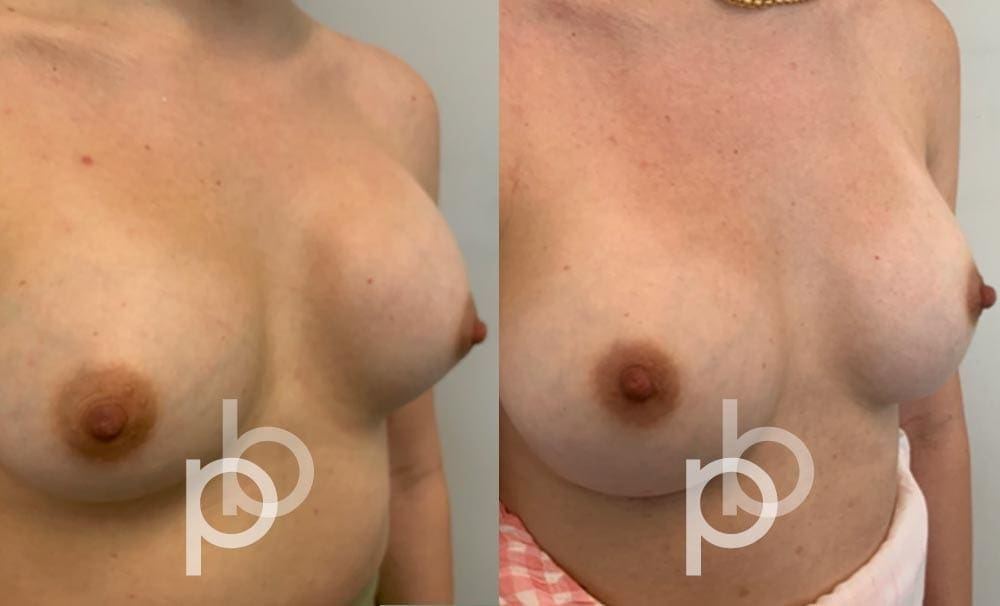
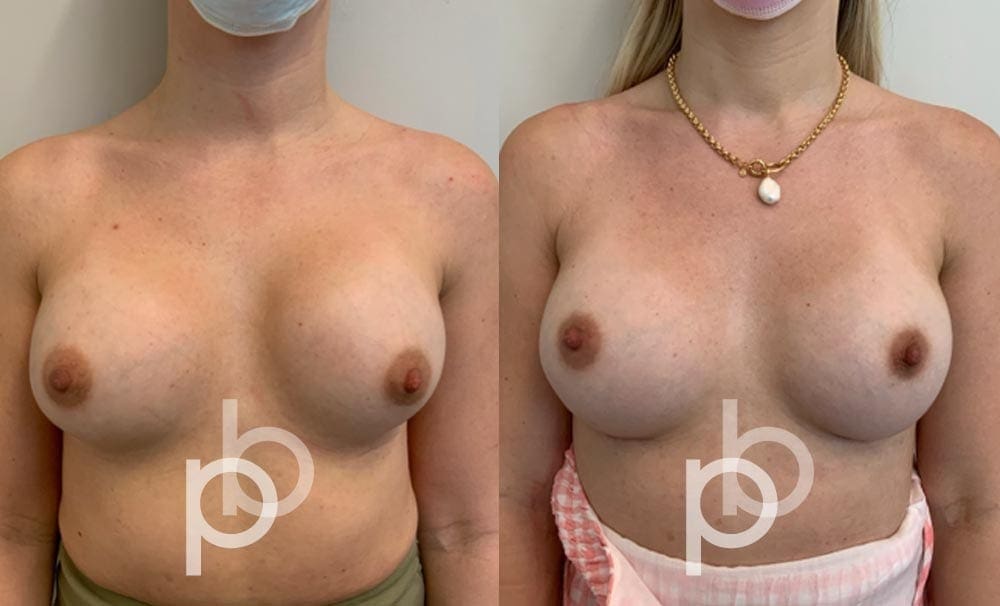
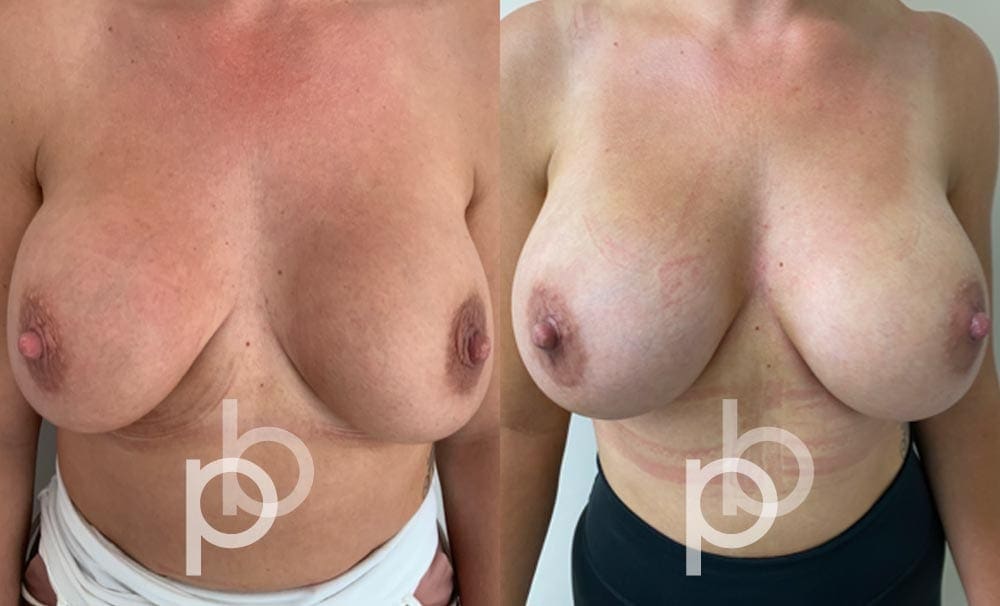
See the results of Mr. Paul Banwell’s work on real patients!

View Treatment Galleries
Paul Banwell - Capsular Contracture Overview

There are different grades of severity of contracture described by Baker – Grade IV  is the most severe.  Capsular contracture may also be the result of chest wall radiation associated with mastectomy, which may be treated and corrected with surgery.

Please remember that when smooth implants were used the capsular contracture rates varied anywhere between 30-60%. The introduction of texturing into implants was the single biggest manoeuvre to reduce capsular contracture rates down to 10-15%. We now know that (macro)texturing may also be associated with a rare condition called ALCL (Breast Implant Associated Anaplastic Large Cell Lymphoma).

Current incidence is quoted at 1:25,000. This should be put into context as the risk for breast cancer is around 1:8 – this makes ALCL very rare indeed. Interestingly the latest generation implants that Mr Banwell uses manufactured by Motiva has a quoted capsular contracture rate of 4% using a so-called SilkSurface shell (non surface or ‘neo-smooth’) and no known cases of ALCL.


Book this procedure
Paul Banwell - Capsular Contracture Overview

Ready to take the next step?

The decision for cosmetic surgery should not be taken lightly. This is why Mr Banwell believes that the consultation process with him and our Concierge is so important. Regardless we are here to hold your hand throughout your journey and answer any questions you may have. That leap of faith may be anxiety-provoking but please know that we will always be here to catch you!

Book a Consultation

Frequently Asked Questions

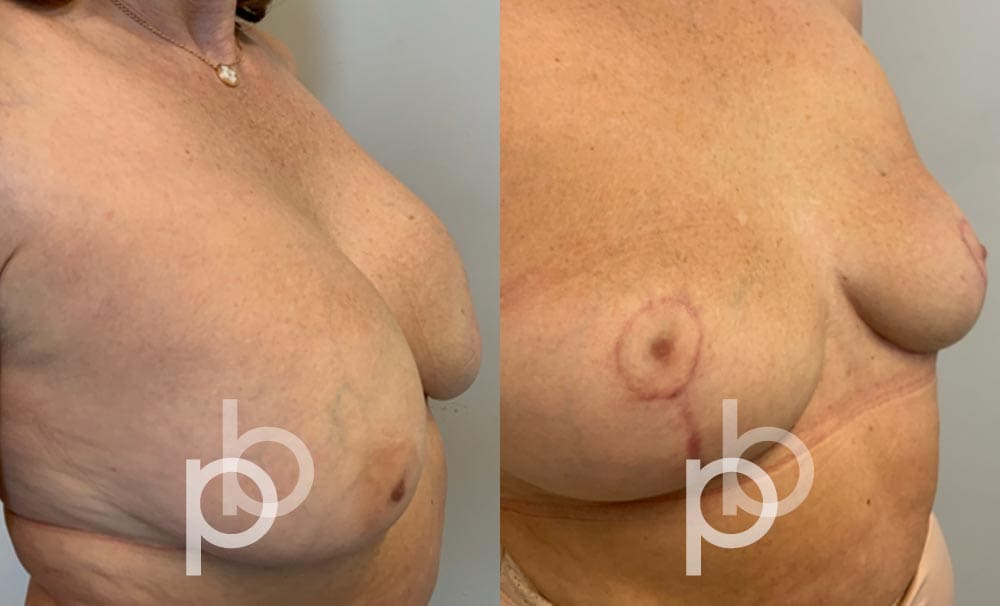
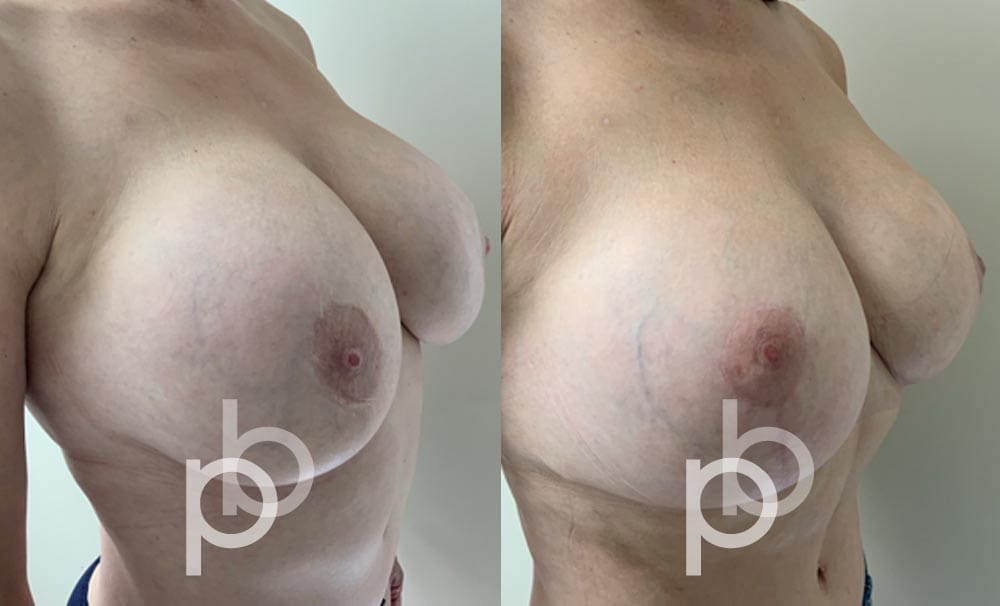
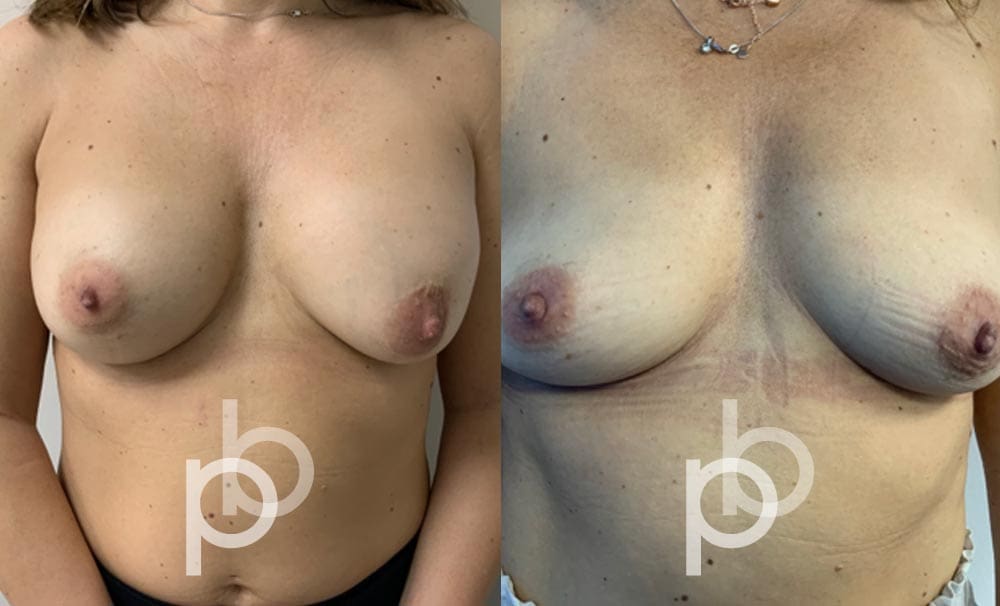
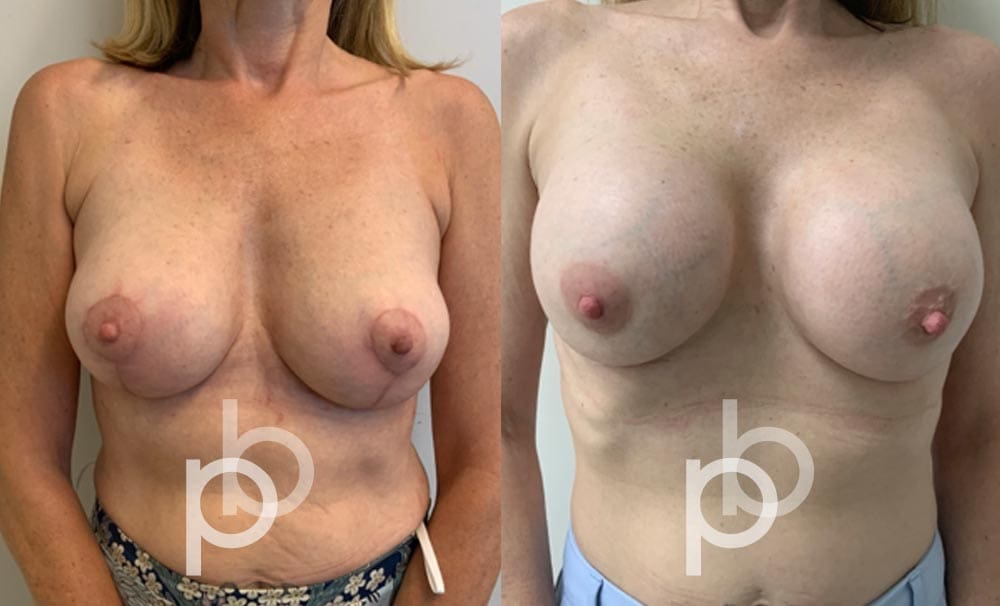
Mr Banwell believes the best treatment for the symptoms of capsular contracture formation is to remove all the scar tissue (capsule) surrounding the implant (a capsulectomy). However, in some patients just releasing the tightness of the capsule (a capsulotomy) may be more appropriate. This is usually combined with the insertion of new implants (implant exchange) or expanders.

Capsulectomy or capsulotomy and the exchange of your breast implants will improve the shape of your breast and help create a softer feel once more. It may also relieve the pain that capsular contracture sometimes causes.

The surgery can take anything up to 3 hours depending on the complexity and severity of the problem. Drains are usually inserted on each side, and these will normally stay in for 1-2 days – the amount of drainage fluid produced is usually more than that produced after your first breast implant operation (but will vary from patient to patient) so be prepared for a couple of days in hospital.

The recovery is often similar to your original operation although this will vary from patient to patient. Mr Banwell recommends you commence wearing a sports bra immediately after your drains are removed and you should continue wearing this day and night for 8 weeks. After the surgery the wound will be dressed with brown micropore tape which is waterproof. You will be able to shower the day after leaving hospital after which you can pat the tape dry with a towel and then use a hair-dryer on a warm setting to ensure the tape is completely dry. You will normally be able to return to work after 2 weeks depending upon how you feel.

In the first week following surgery you should take things very easy, preventing any mishaps. The following week you will find you can do much more and may be ready to return to work. You should avoid lifting and carrying for 2 weeks following surgery and strenuous exercise/physical activity should be avoided for 6 weeks following the surgery to prevent damage to your breasts and their new implants. Many patients find gentle cardiovascular exercises and having a massage are fine after a few weeks. You can drive when you feel safe to perform an emergency stop otherwise you insurance company may invalidate your insurance.

The operation has a high success rate and patients are grateful once more for a soft, natural breast. However, unfortunately, once an abnormal thickened capsule (capsular contracture) has occurred, recurrence is possible and Mr Banwell will want to follow you up and perform revisions on a regular basis, in the interests of prevention.

Unfortunately complications can occur following any surgery and patients need to be fully aware of this. Mr Banwell does his utmost to minimise the complication rate and likes to practise in a safe manner. The commonest complications are bleeding, haematoma formation and the need to return to theatre, as well as suffering infection, removal of implants, numbness, alteration in nipple sensation, asymmetry in the healing and the final result, palpability, visibility, rippling, clots in the legs and lungs and of course further capsular contracture.

FAQs
Paul Banwell
Paul Banwell

Have More Questions?

Mr. Banwell’s team at the Pantheons Clinic would be delighted to help at any time so please feel free to call HQ on 01342 330302 or email help@paulebanwell.com.

Contact Us
Paul Banwell
Paul Banwell

CRISALIX 3D BREAST SCANNING
UK CENTRE OF EXCELLENCE

Before the procedure, would you like to see the new you? With the help of the most popular 3D plastic surgery program in the world, you can now virtually “try on” several breast implants from the comfort of your own home. Don’t forget to save your pictures so you can show them to our surgeon when you visit.

Try the Crisalix App
Paul Banwell

Patient Testimonials

RealSelf Reviews

View more reviews on:

RealSelf
Google Reviews

Dr Paul founded the award-winning Banwell Clinic 10 years ago and this has become synonymous with innovation and premium care. To commemorate a decade of excellence and expansion of the team we have rebranded the Practice to PANTHEONS Clinic – literally ‘a collection of top experts’ – reflecting our commitment to high quality patient care, patient safety and the drive to make cutting edge technologies available to our ever-growing number of patients.

Visit the Pantheons Clinic